
Gum Disease

What is gum disease?

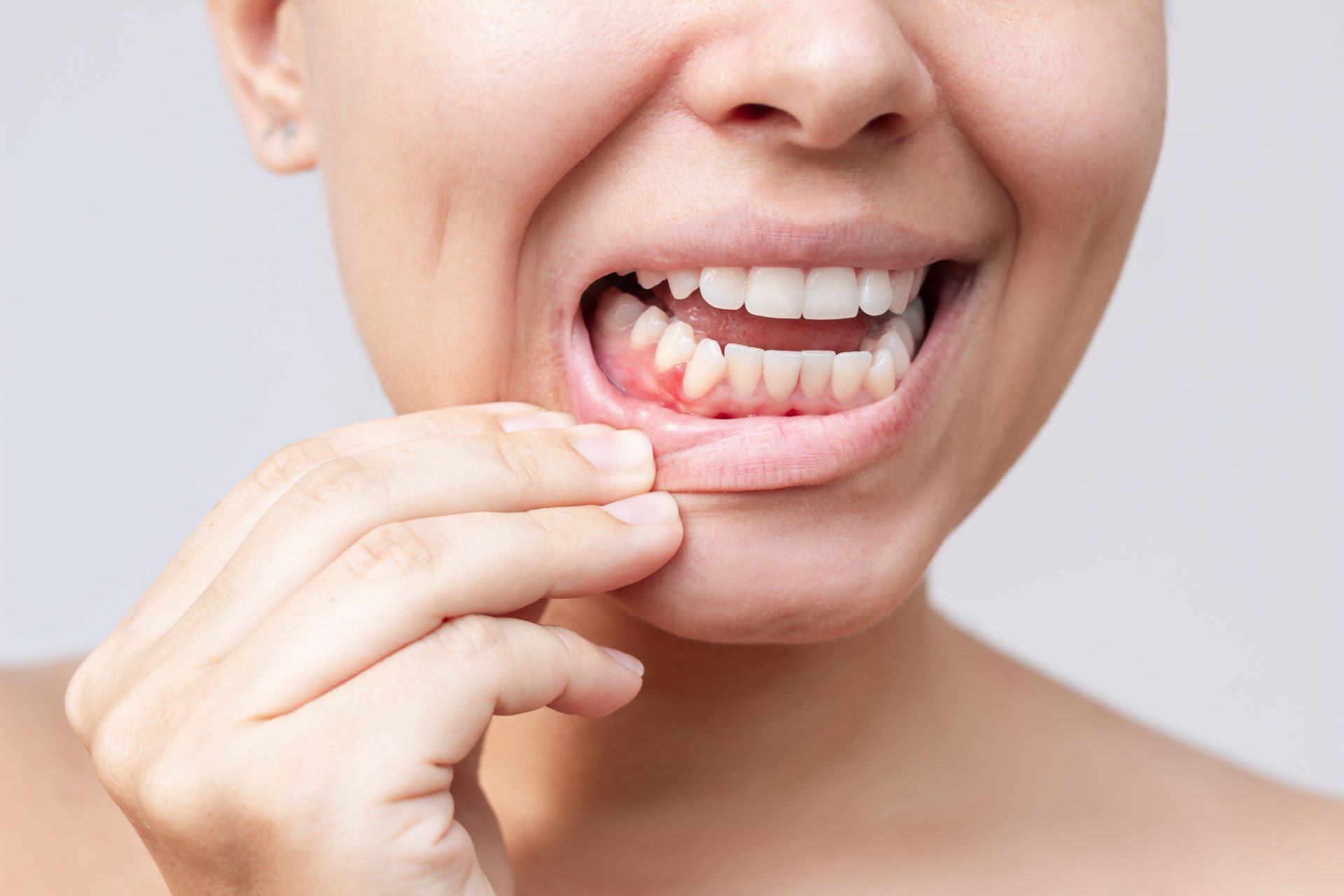
Gum disease, also known as periodontal disease, is caused by the unavoidable build-up of plaque on our teeth. No matter how well or how regularly we brush, a very fine film of bacteria is left every day. This turns into hard tartar over time, irritating the gums and leading to redness, inflammation and pain.

The initial stage of gum disease is known as gingivitis. It causes red, swollen and irritated gums that bleed easily. If left untreated, gingivitis can progress to periodontitis, a more destructive stage that cannot be reversed. The gums begin to recede, leading to wobbly teeth and even tooth loss. Despite the destructive nature of this process, there may only be mild symptoms even at a late stage.

Talk to our team


Gum Disease

How is gum disease treated?

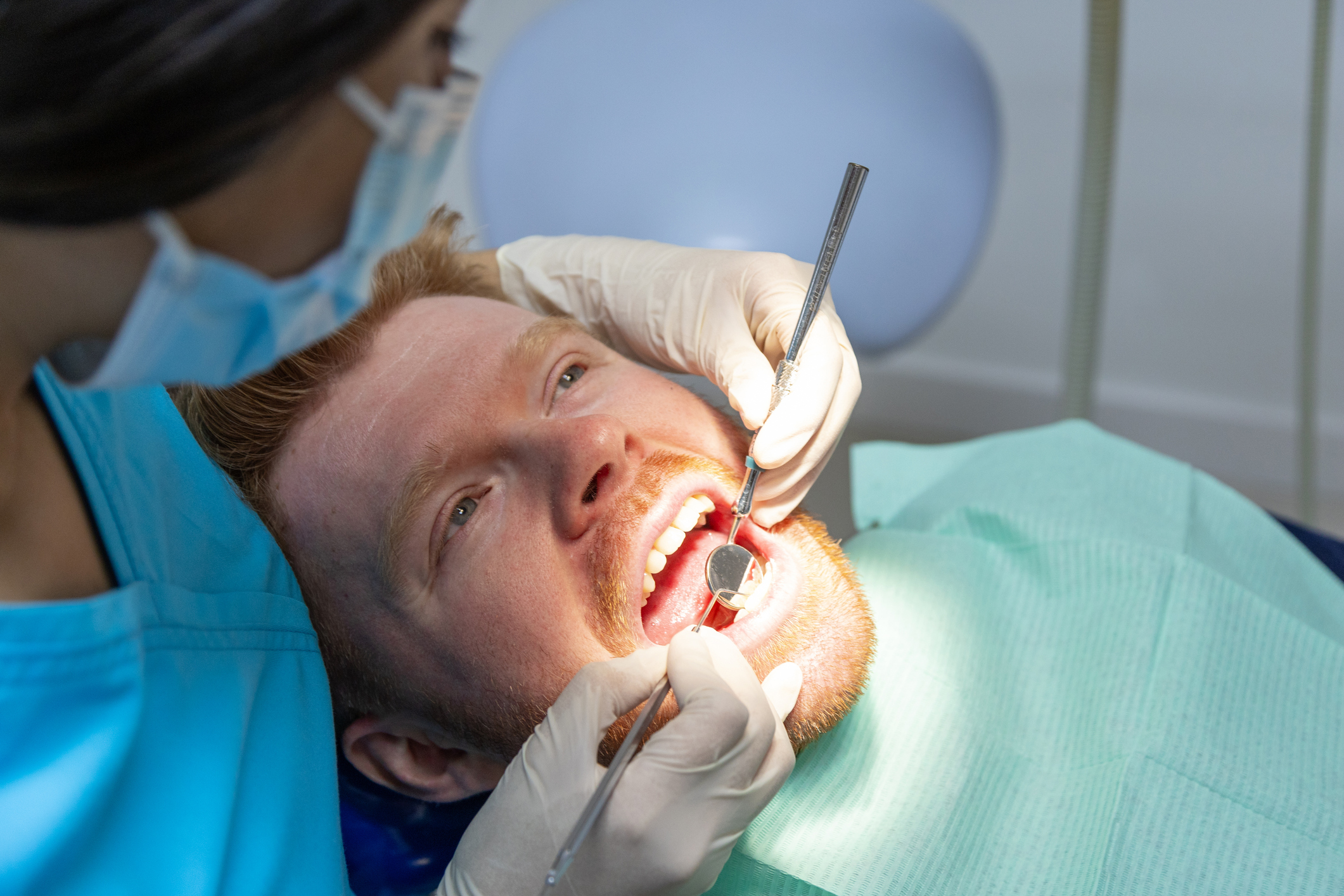
The best way to ensure your gums stay healthy is to visit your hygienist regularly. We are expertly qualified to fully remove stubborn plaque and tartar from your teeth and fully check the health of your gums. We build on the hard work you do at home during your regular hygiene appointments, giving your teeth a deep clean to significantly reduce your risk of gum disease.

We are always happy to give you advice for your oral hygiene routine at home, including how to use interdental brushes to clean the hard-to-reach gaps between your teeth. We can also give you tips to help reduce your risk of gum disease, including stopping smoking, lowering stress and eating a balanced diet.

In very severe cases you may need to be referred to a specialist periodontist who will provide expert care and long-term advice to help you manage your condition. They can carry out further treatments, including root planing, gum grafts and surgical procedures, to help keep your oral health in the best possible condition.

Book an appointment

Frequently asked questions

The best thing to do to prevent gum disease is to take great care of your teeth and gums at home. Always make sure you brush your teeth well, for at least 2 minutes twice a day. Choose the right size toothbrush, which fits comfortably in your mouth and fully reaches your back teeth. Medium bristles are usually best, as they allow you to apply enough pressure without eroding the enamel. It is also a good idea to use interdental brushes or dental floss to reach between your teeth and prevent bacteria from building up.

Talk to us today

Did you know we offer dental finance?

See finance options

Highly rated by patients

Read our real reviews and discover what being a patient at Blagreaves Dental is really like! Ready to find out more? Get in touch with our friendly team.

Read all our reviews
Patient smiling

Join the practice!

We work with you to ensure a healthy and radiant smile for years to come

Learn more

Send us an email today

Are you a new patient?*
By clicking ‘send message’ you consent to our privacy policy. This site is protected by reCAPTCHA and the Google privacy policy and terms of service apply.

We’re here to help

  • 166-168 Blagreaves Lane, Littleover, Derby, DE23 1PX
  • Get directions

Book an appointment